
Desfecho de “Ozark” é amargo, incômodo e, por isso mesmo, totalmente fiel à trajetória da série

Jason Bateman e Laura Linney em Ozark: episódios finais da série estrearam no último dia 29.
Finais de série são sempre um assunto muito complicado porque costumam ser julgados por aquilo que o público gostaria de ver e não por aquilo que de fato faz mais sentido para a história. Lembro, particularmente, de me sentir deslocado ao ter apreciado o desfecho de The Good Wife, por exemplo. Não era um final de grandes ideias ou muito menos de sofisticada construção, mas servia perfeitamente ao importante propósito de não desvirtuar a trajetória da protagonista e permanecer convicto até o último minuto de quem ela havia se tornado ao longo de sete temporadas. O público detestou, e o mesmo parece estar acontecendo com a última temporada de Ozark, cujos episódios derradeiros foram disponibilizados no último dia 29.
Menos popular do que merecia ter se tornado junto ao público da Netflix, a série criada pela dupla Bill Dubuque and Mark Williams começou com repercussão comedida até mesmo entre crítica e prêmios. O que talvez explique o reconhecimento tardio a Ozark seja o tempo que boa parte da plateia levou para compreender que defini-la como a “Breaking Bad da Netflix” era definitivamente um equívoco. Desde o primeiro ano, os roteiristas já eram destemidos em escapar de qualquer semelhança com o seriado de Vince Gilligan. Isso porque, em sua própria superfície, Ozark já fazia diferente: a jornada de Marty Byrde (Jason Bateman) nunca foi de deslumbramento com o crime, e as naturezas escusas de seu trabalho eram reveladas aos filhos já na arrancada.
No que podemos chamar de baixa fervura, Ozark começou a descentralizar a atenção em Marty e a enredar pessoas próximas que, de cúmplices silenciosas da sua atividade de lavagem de dinheiro, passaram a fazer parte daquele jogo, caso de Wendy Byrde (Laura Linney), uma das personagens com as camadas mais interessantes e provocadoras da trama. À medida em que o círculo do crime se abria e não parava de jogar pessoas para dentro dele, Ozark criava um sentimento crescente de sufocamento, muito porque sua ação e seu suspense sempre rejeitaram espetáculos estrondosos. Na verdade, tudo parecia ter o mesmo senso de urgência, trazendo uma atmosfera de incômodo cotidiano que não sabíamos exatamente de onde vinha e que fazia com que o espectador se sentisse em apuros tanto quando a família Byrde.

Ascensão de Wendy e sua relação com Marty é um dos pontos altos do seriado.
O jogo se agrava quando Wendy passa a tomar gosto pela coisa, naquele que pode ser o único eco minimamente comparável a Breaking Bad — e, ao mesmo tempo, é curioso como o Walter White de Bryan Cranston se tornou ícone de cultura pop enquanto Wendy é, com frequência, tida como uma personagem desagradável. Além de dar os grandes momentos que uma atriz do calibre de Laura Linney merece, como se ela interpretasse a sua própria versão de Lady Macbeth, os novos movimentos da personagem acabam ditando todos os rumos da série. É impressionante o engrandecimento de Wendy episódio a episódio, desafiando, em viradas muito orgânicas, até mesmo o seu marido, que, a partir de uma performance muito generosa e sem vaidades de Jason Bateman, cede espaço a ela primeiro por conveniência e, logo após, por não ter mais controle sobre quem a esposa se tornou.
Para dar conta de um emaranhado de crimes e personagens, Ozark nunca teve medo de tomar decisões drásticas, sem que isso parecesse muleta ou uma opção do choque pelo choque. O desfile de participações especiais sempre contribuiu para a construção da narrativa e nos brindava com atores que tiraram o melhor de seus personagens, caso de Janet McTeer e Tom Pelphrey, ambos com excelentes momentos na terceira temporada e solenemente ignorados pelas premiações. Eles foram marcantes complementos a um elenco fixo já brilhante por si só, em que se destaca a força das intérpretes femininas, devidamente valorizadas por um roteiro que fez questão de colocá-las no centro de todos os conflitos (e aqui não posso deixar de citar, claro, a marcante Darlene, vivida com visceralidade por Lisa Emery).

A trágica história de Ruth Langmore carrega os maiores vislumbres de emoção da trama.
No meio da frieza e do calculismo inerentes a uma vida encharcada de crimes, Ozark aplicou sua cota de emoção na trágica Ruth Langmore. Única figura da série definida pelo mínimo de afeto, Ruth foi magnificamente interpretada por Julia Garner como essa menina com a qual a vida foi muito injusta, desprovida de qualquer acolhimento familiar e de condições financeiras que pudessem lhe tirar do mundo à margem em que vivia. A personagem estabeleceu uma dinâmica das mais interessantes com Marty Byrde, caminhando na fronteira entre o ressentimento e o carinho por esse homem que ela esperou cumprir o vazio paternal de sua vida. De um jeito muito peculiar, Ozark foi, aqui e ali, um retrato sobre as relações familiares tortuosas que a vida nos dá, tema também explorado pelos Byrdes e até mesmo pelo cartel mexicano dos Navarros. Conseguir propor esse tipo de leitura a partir de personagens tão difíceis de empatizar é outro mérito dos roteiristas.
Voltando, enfim, ao desfecho, é importante celebrar como os produtores souberam fazer algo óbvio, mas cada vez mais restrito a poucos programas atuais: parar na hora certa. Ainda que o terceiro ano tenha sido o mais popular de Ozark, já ficava evidente que os roteiristas estavam esticando a corda, precisando inclusive trazer novos personagens fixos para movimentar a trama ao invés de apenas complementá-la. Na quarta temporada, prolongada para 14 episódios e dividida em duas partes, a sensação foi um tanto parecida, principalmente porque o programa entregou conclusões menos explosivas do que o esperado. Difícil saber, aliás, o que foi criativo ou comercial em relação a momentos como o do flashforward que abre a temporada e se revela um inexplicável maneirismo. Ir além da quarta temporada fragilizaria demais o projeto, tanto pelo fato de a série ser refém de uma trama que precisa ser bem amarrada em vários desdobramentos quanto pela verossimilhança.
Felizmente, o ponto final foi colocado em A Hard Way to Go após uma última temporada centrada, com muita justiça, em Ruth Langmore e nas diferenças com que Marty e Wendy lidam com os gargalos de situações cada vez mais escabrosas. O episódio vem desagradando a crítica e os fãs do seriado, em função, ao meu ver, dos roteiristas terem feito o que precisava ser feito, sendo fiéis à série como um todo. Os personagens de Ozark sempre levaram uma vida difícil de ser vivida sem consequências ou alentos, e seria incoerente um caminho diferente para a reta final. Não sei se as pessoas estavam vendo a mesma Ozark do que eu, mas um final bonitinho, bem amarrado e de momentos resolutivos jamais esteve no horizonte. Para além da coesão estética e de ritmo mantida ao longo de quatro temporadas, o programa ficará marcado por ter preservado a essência do que queria contar do início ao fim, mesmo que isso tenha lhe obrigado a tomar decisões desagradáveis aos olhares do público, mas de acordo com o lado mais sombrio, cínico e amargo das quatro temporadas. É, portanto, um final que espera do público a maturidade que a série sempre lhe confiou.
“Medida Provisória” é o filme que Lázaro Ramos precisava fazer (e nós precisávamos assistir) no Brasil atual
Como é que a gente deixou chegar nesse ponto? Como é que a gente riu disso?

Direção: Lázaro Ramos
Roteiro: Aldri Anunciação, Elisio Lopes Jr., Lázaro Ramos e Lusa Silvestre, baseado no texto teatral “Namíbia, Não!”, de Aldri Anunciação
Elenco: Alfred Enoch, Taís Araújo, Seu Jorge, Adriana Esteves, Renata Sorrah, Emicida, Dona Diva, Mariana Xavier, Aldri Anunciação, Pablo Sanábio, Flavio Bauraqui, Hilton Cobra
Brasil, 2022, Drama, 94 minutos
Sinopse: Em um futuro distópico, o governo brasileiro decreta uma medida provisória, em uma iniciativa de reparação pelo passado escravocrata, provocando uma reação no Congresso Nacional, que aprova uma medida que obriga os cidadãos negros a migrarem para a África na intenção de retornar a suas origens. Sua aprovação afeta diretamente a vida do casal formado pela médica Capitú (Taís Araújo) e pelo advogado Antonio (Alfred Enoch), bem como a de seu primo, o jornalista André (Seu Jorge), que mora com eles no mesmo apartamento. Nesse apartamento, os personagens debatem questões sociais e raciais, além de compartilharem anseios que envolvem a mudança de país. Vendo-se no centro do terror e separados por força das circunstâncias, o casal não sabe se conseguirá se reencontrar. (Adoro Cinema)
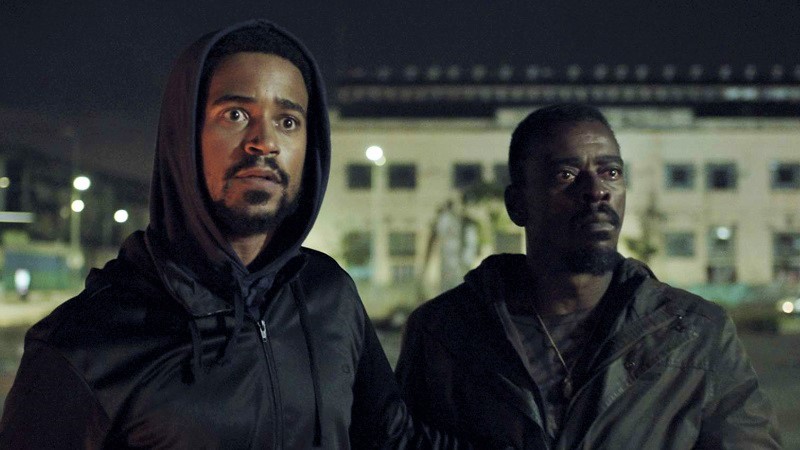
Guardadas as devidas proporções e assertividades, Medida Provisória tem muito em comum com Não Olhe Para Cima, o hit mais recente produzido originalmente pela Netflix. Assim como o filme dirigido por Adam McKay, a estreia na direção do ator Lázaro Ramos é extremamente literal em tudo que se propõe a discutir. Isso quer dizer que não há espaço para sutilezas e que as representações são as mais explícitas possíveis, da composição de personagens ao desenrolar da trama. A adoção de tal estilo não é boa ou ruim por si só, mas, no Brasil em que vivemos atualmente, creio ser uma necessidade: quando precisamos sempre (re)explicar o que significa respeito, civilidade e bom senso, o trabalho de quem tem a paciência e vontade de dizer o que deve ser dito com todas as letras é mais do que bem vindo.
Ser tão literal reserva alguns riscos dos quais Medida Provisória nem sempre ileso, com destaque para os momentos em que personagens discursam sem muita naturalidade ou quando transita aqui ou ali entre diferentes gêneros. Entretanto, são passagens pontuais em comparação a outros acertos de maior peso. Lázaro Ramos, também autor do roteiro, ao lado de Aldri Anunciação, Elisio Lopes Jr. e Lusa Silvestre, entende que, infelizmente, vivemos uma espécie de luta do bem contra o mal, o que não é motivo para caricaturas (nem todo branco é necessariamente maquiavélico, por exemplo) ou para ignorar a discussão de pontos passíveis de problematização, como o do casal protagonista de classe média viver uma posição privilegiada quando comparada a de tantos outros negros em meio à medida provisória do título.
Cuidados como esse costumam passar despercebidos na apreciação de filmes menos sutis, mas eles elevam o material e revelam a existência de artesanalidade no que é convencionalmente chamado de “comercial” ou “popular”. Medida Provisória é baseado no espetáculo teatral “Namíbia, Não!”, de 2011, dirigido pelo próprio Lázaro, e essa é outra informação importante, pois evidencia o olhar apurado do ator como um diretor capaz de transitar por diferentes formatos e gêneros sem confundir linguagens ou ficar preso a formalidades. A capacidade de Lázaro de transformar um espetáculo teatral protagonizado por apenas dois atores em um longa-metragem de dimensões muito maiores e com focos distintos comprova que ele tem futuro como o tipo de realizador que assumidamente deseja ser: o mais plural possível, algo que já está sendo explorado no seu contrato com a Amazon, pelo qual acaba de rodar um musical.
Medida Provisória constrói com eficiência um clima de distopia porque, mesmo tendo sido finalizado ainda em 2019, aponta para inúmeras questões que nos são muito familiares. Como vítimas ou testemunhas de uma sociedade acostumada a destilar racismos tanto de forma explícita quanto em pequenas violências diárias, nós, espectadores, jamais duvidamos deste universo criado pelo filme em que políticos — ou até mesmo os vizinhos da porta ao lado — apoiam a ideia de que a população negra deve ser devolvida à África, revelando um ódio disfarçado do discurso de “reparação histórica”. Dos comentários racistas murmurados nos bares aos panfletos espalhados abertamente em um condomínio, Medida Provisória até compensa um certo excesso de subtextos abertos pelo roteiro com essa tônica da vida real.
Sem economizar também nas homenagens, sejam elas políticas, históricas ou musicais, da cantora Elza Soares à vereadora Marielle Franco, Lázaro reúne um elenco cuja presença é fundamental para consolidar a energia do projeto. Há protagonistas que se saem muito bem em momentos mais potentes do ponto de vista emocional, como Taís Araújo; coadjuvantes que não se limitam a alívios cômicos e funcionam também nas contribuições dramáticas dadas à história, a exemplo de Seu Jorge; e outros exercitam papeis que costumam tiram de letra, caso de Adriana Esteves na pele da odiável Isabel. O bom elenco dá sustentação a um pilar muito importante de Medida Provisória: o da cumplicidade entre os personagens que, narrativamente falando, potencializa o senso de proximidade e envolvimento com o conflito principal.
Em entrevista ao programa Roda Viva, Lázaro Ramos comentou que sua intenção com Medida Provisória era ir além de uma radiografia do racismo no Brasil. O que ele também queria era cruzar o terreno da distopia com um viés mais utópico. A utopia de Lázaro está, segundo ele, no poder do afeto. É o que de fato vemos em Medida Provisória, o filme brasileiro com o maior número de negros em frente e atrás das câmeras: há, em diversas passagens, um convite ao pensamento, ao diálogo e ao sentimento, colocando luz na resistência e na persistência, mas sem nunca ter a ingenuidade de acreditar que somente isso é o suficiente. O projeto vai muito ao encontro do que escreveu o poeta Sérgio Vaz: “Não confunda briga com luta. Briga tem hora para acabar. Luta é para a vida inteira.”. Lázaro sabe que seu filme não ficará datado tão cedo porque a luta retratada já se arrasta desde que o mundo é mundo. Medida Provisória era o filme que ele precisava fazer agora, mesmo que imperfeito e com pontos ainda a serem amadurecidos. Afinal, suas ideias são do tipo que nunca devem ser deixadas para depois.
No incômodo “Nitram”, a angústia nasce da espera constante por uma tragédia fora de quadro
Laughing at my pain. Laughing like it was the funniest thing in the world.
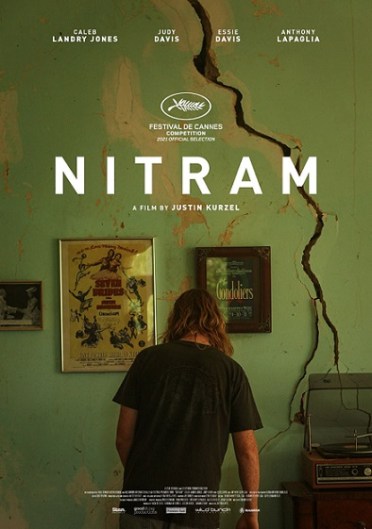
Direção: Justin Kurzel
Roteiro: Shaun Grant
Elenco: Caleb Landry Jones, Judy Davis, Anthony LaPaglia, Essie Davis, Sean Keenan, Phoebe Taylor, Conrad Brandt, Jessie Ward, Ethan Cook, Lucas Friend
Austrália, 2021, Drama, 112 minutos
Sinopse: Nitram (Caleb Landry Jones) vive com os pais nos subúrbios da cidade australiana de Hobart, em meados da década de 1990. Solitário e frustrado pela incapacidade de se relacionar com os outros, inesperadamente ele encontra Helen (Essie Davis), uma herdeira que vive isolada em uma mansão decadente. A amizade inusitada ganha caminhos inesperados e acaba sendo a porta de entrada para que Nitram cometa um ato trágico e irreparável.
Como é de costume, mãe e filho brincam de esconde-esconde, mas, desta vez, a diversão cotidiana se torna um grande pesadelo. Apesar de procurar, chamar e pedir ajuda para várias pessoas, a mãe não encontra seu filho de jeito nenhum. Desesperada e já em lágrimas, ela desiste de encontrá-lo na loja de tecidos em que sempre brincavam e volta ao carro. Ao sentar-se, ouve alguém rindo — é seu pequeno filho, deitado no chão do banco de trás. Tudo poderia ser apenas uma brincadeira de mau gosto a ser corrigida pela mãe, do tipo que crianças fazem sem ainda saberem das consequências de seus atos. Não é o caso. Lembrando da cena, a personagem vivida por Judy Davis é categórica: “Ele ria. Ria da minha dor. Ria como se fosse a coisa mais engraçada do mundo”. Com o tempo, e talvez até mesmo à época, ela já sabia que Nitram (Caleb Landry Jones) tinha algo de muito diferente por dentro. O que ela não poderia imaginar é que, adulto, ele seria o responsável por matar 35 pessoas e ferir outras 23 naquele que, até hoje, é considerado o maior massacre já registrado na Austrália.
Todo o contexto do esconde-esconde importa mais do que a tragédia vivida em 1996 na cidade de Port Arthur porque Nitram, o novo filme do diretor Justin Kurzel, investigar o que aconteceu antes da tragédia e não o evento propriamente dito, algo explícito inclusive no título do longa (Nitram é palíndromo de Martin, nome real do assassino que o diretor buscou não enaltecer ou espetacularizar em muitos sentidos). Há uma construção muito mais rica para quem desconhece a história real, especialmente porque o roteiro de Shaun Grant revela o protagonista aos poucos. Primeiro, temos um menino-problema; depois, um jovem provocador; mais para frente, um clássico borderline, talvez?; e, por fim, uma bomba-relógio prestes a explodir. Não se trata de testemunhar o personagem adquirindo essas características ao longo da trama como em uma cinebiografia, mas sim de um sentimento crescente de angústia e imprevisibilidade que o roteiro descortina de forma gradativa em um recorte específico e horrivelmente plausível.
O que temos em Nitram é uma figura da qual é difícil gostar ou simpatizar. Sua incapacidade de encontrar o mínimo de retidão e, por conta disso, qualquer aceitação do olhar alheio é uma parte significativa de sua tragédia. Uma relação que ilustra isso com perfeição é a que ele estabelece com a própria mãe vivida por Judy Davis. Desde o primeiro minuto, suspeitamos que ela parece ter desistido do filho há muito tempo. Ainda que tente discipliná-lo aqui ou ali, a personagem tem plena consciência de travar uma batalha perdida. Compreendemos que Nitram é o que é porque, ao não conseguir estabelecer conexões ou ter alguém que se importe com ele, corre livre e sem o mínimo de suporte clínico para a sua condição mental, mas também entendemos, com um gosto muito amargo na boca, os movimentos dessa mãe tão derrotada quanto conformada. Fora isso, fica no ar a dúvida sobre o quanto ela de fato se dedicou a salvá-lo e sobre até que ponto negou para si própria a ideia de que Nitram pudesse cometer atos irreparáveis.
A entrada de Ellen (Essie Davis) embola ainda mais o cenário. Com ela, Nitram introduz a tese de que, talvez, o protagonista finalmente tenha sido aceito por alguém. No melhor estilo Grey Gardens, Ellen é a mulher rica, inusitada e difícil de definir que, no entanto, não deve ser resumida por definições fáceis como essas. O relacionamento dela com Nitram sublinha oscilações já observadas até então e acaba por desencadear acontecimentos e sentimentos que mudaram para sempre o rumo dos fatos. Todas essas figuras femininas ao redor de Nitram são estimulantes como engrenagens importantes da história e como o excelente momento de atrizes muito talentosas. Se Judy Davis é um caso à parte por capturar a relação entre o interior e o exterior de uma mãe rígida e de gestos complexos para com o seu filho, Essie Davis ultrapassa a linha da mera excentricidade para trazer um pouco de coração, ainda que tumultuado, a uma vida caótica.
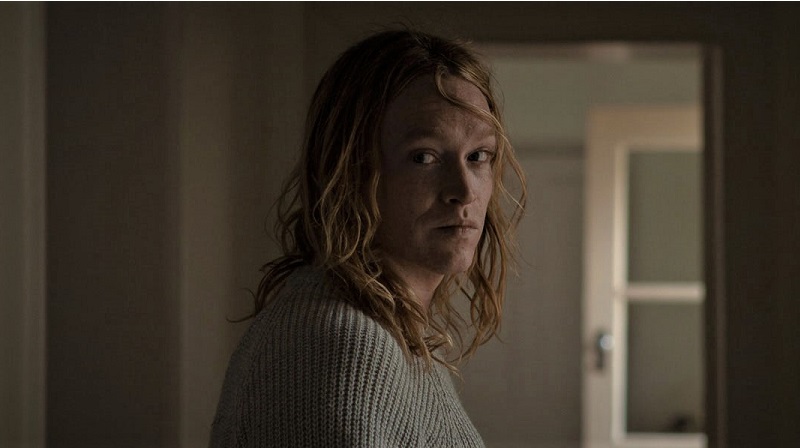
Acaba que, no longa, não há mérito comparável à grandiosidade do desempenho de Caleb Landry Jones, premiado no último Festival de Cannes. Desde que entra em cena, Caleb é uma presença forte e incômoda. O melhor, entretanto, é construído em camadas quase imperceptíveis: trata-se de uma performance que não nos insere na mente do protagonista e nos posiciona apenas como observadores, em paridade com tantos outros personagens que lidam com seu comportamento errático e imprevisível. É como se nós também fôssemos obrigados a tentar administrá-lo, o que fortalece a atmosfera de angústia do filme. Nesta difícil relação com a plateia, Caleb se sai admiravelmente bem ao jamais tentar justificar o personagem ou torná-lo empático. Ele expõe Nitram em toda sua problemática visceralidade, do trabalho corporal a semblantes minimalistas que expõem uma psique guardada a sete chaves.
As discussões de Nitram não são exatamente novas como as que vimos, por exemplo, no recente Mass, mas o diretor Jutin Kurzel, que já dirigiu um pouco visto Macbeth com Michael Fassbender e Marion Cotillard, acerta em deixar a violência explícita e suas ramificações para fora da tela. Imagino que, mesmo com essa e outras decisões bem sucedidas, Kurzel ainda terá que lidar com problematizações envolvendo a condição do personagem-título e o fato de fazer um filme que dá holofotes a ele. Esse tipo de reação acaba sendo frustrante porque Kurzel está longe de amenizar ou explorar de forma irresponsável a vida de Martin Bryant. Se chegamos ao ponto de apontar o dedo para o cinema por ele se “atrever” a discutir temas, digamos, sombrios, delicados e de difícil digestão, é porque estamos nos desconectando de um dos propósitos mais importantes da arte de se contar histórias em qualquer formato. Com o tanto que desperta, Nitram definitivamente não merece ser reduzido a isso.
Rapidamente: “Belfast”, “Mães Paralelas”, “The Novice” e “Summer of Soul”
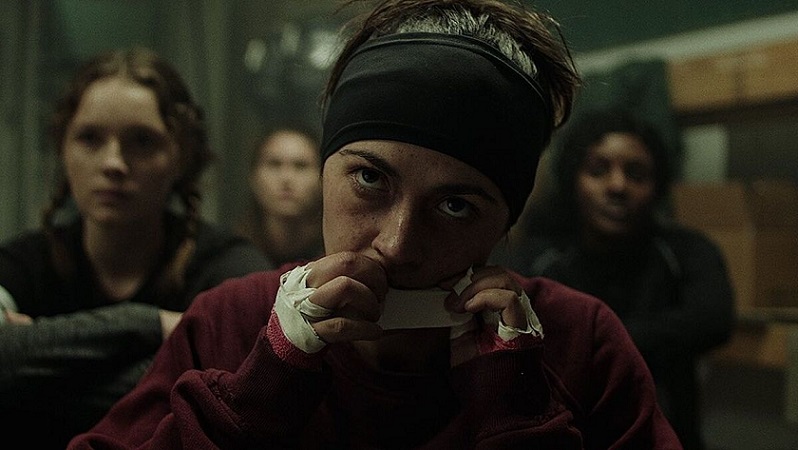
Isabelle Fuhrman tem desempenho excepcional no drama The Novice, que recebeu cinco indicações ao Independent Spirit Awards.
BELFAST (idem, 2021, de Kenneth Branagh): Com uma carreira mais interessante como ator do que como diretor, Kenneth Branagh, após 22 títulos atrás das câmeras, não escapou à tentação de realizar um filme autobiográfico. E, deixando de lado a discussão sobre a repetição de fórmulas habituais, Belfast é, no geral, um relato bastante desarranjado. Causa estranhamento como, mesmo adotando, em tese, o ponto de vista do jovem protagonista Buddy (Jude Hill), as memórias do diretor não parecem ter um fio condutor. Ora Belfast se empenha em tentar construir nossa conexão com as angústias da infância do protagonista, ora parece dar mais importância do que deveria a personagens orbitantes. O fator histórico da Irlanda dos anos 1960 pouco contribui para essa perspectiva pulverizada, já que acontecimentos reais são encenados e discutidos quase como um pot-pourri, embaralhados por uma montagem sem fluidez assinada por Úna Ní Dhonghaíle. Com este cenário, as generalidades de Belfast se evidenciam: não só Branagh é pouco inventivo como diretor, adotando, por exemplo, uma previsível fotografia em preto e branco que se revela mais um capricho estético do que uma ferramenta narrativa, como parece fazer um longa para si mesmo ao juntar lembranças pessoais sem que elas se entrelacem com alguma unidade ou universalidade. Belfast representa um tipo de filme que dificilmente sairá de moda — as sete indicações em categorias importantes do Oscar deste ano são uma prova disso —, mas, como sempre, novas ideias não fariam mal a ninguém.
MÃES PARALELAS (Madres Paralelas, 2021, de Pedro Almodóvar): De imediato, pensei que Dor e Glória ainda exercia uma impressão muito forte em mim, elevando minhas expectativas, mas, conforme os dias após a sessão de Mães Paralelas foram passando, a minha reação ao novo filme de Pedro Almodóvar continuava a diminuir. Não consigo encontrar nele o grande filme visto muito por muitas pessoas, muito em função de uma trama que, disposta a abarcar várias discussões, termina desfocada e com impacto reduzido. Falta consistência na linha narrativa de um filme em que até o conflito principal entre as duas mães já foi tema de novela da Globo assinada por Manoel Carlos, o que não seria um problema se o longa não levasse a trama tão a sério e se Almodóvar estivesse naquela deliciosa fervura melodramática tão representativa de seu cinema. Ao invés disso, parece haver em Mães Paralelas uma certa autocópia do diretor que já rendeu outros títulos irregulares, como Abraços Partidos e Julieta, além da introdução de elementos sem grande aderência ao filme como um todo, a exemplo das discussões políticas em cima de traumas da Guerra Civil Espanhola. Vencedora do prêmio de melhor atriz no último Festival de Veneza, Penélope Cruz acaba sendo a grande liga de Mães Paralelas. Ela há muito tempo já se tornou a musa definitiva do diretor (já são sete filme juntos desde Carne Trêmula, em 1997) e, apesar da carreira prolífera, continua a ter seus melhores momentos quando dirigida por ele e é a razão dos melhores momentos de Mães Paralelas.
THE NOVICE (idem, 2021, de Lauren Hadaway): À parte o tema da busca pela perfeição, The Novice é muito diferente de Whiplash, filme com o qual tem sido comparado. Enquanto no filme Damien Chazelle tínhamos um protagonista que chegava ao limite influenciado por um professor hiper exigente, em The Novice acompanhamos uma personagem policiada exaustivamente apenas por ela mesma. E é aí que está a grande sacada deste potente filme de Lauren Hadaway: a angústia presente na atmosfera do filme é resultado do constante estado de autocobrança de uma garota obcecada em ser a melhor da sua equipe de remo. Partindo desse enfoque, Hadaway faz observações muito pertinentes e vai contra o tão perpetuado discurso de que, para alcançar o sucesso, você deve trabalhar enquanto os outros dormem. A perfeição buscada por Alex (Isabelle Fuhrman), sem que nem ela própria saiba exatamente a razão, é vista aqui como um problema, sem glamourizações, quase como um retrato perfeito desses tempos em que querem tanto vender a cultura da chamada alta performance — cultura essa que, no frigir dos ovos, acaba fazendo com que toda uma geração sucumba à síndrome de burnout. Sensorial, The Novice tem uma trilha extraordinária assinada por Alex Weston, responsável por, assim como outros aspectos técnicos, envolver o espectador na mente inquieta e angustiada da protagonista. No entanto, é no desempenho de Isabelle Fuhrman que tudo literalmente toma corpo: seu trabalho físico é impressionante, e isso tem pouco a ver com a dedicação ao remo: através da linguagem corporal, Fuhrman traduz, no suor, nos músculos e no sangue, tudo aquilo que sua personagem não consegue verbalizar, refletir ou admitir para os outros e para ela própria. É interpretação das grandes.
SUMMER OF SOUL (…OU, QUANDO A REVOLUÇÃO NÃO PODIA SER TELEVISIONADA) [Summer of Soul (…Or, When the Revolution Could Not Be Televised), 2021, de Questlove]: Fazia tempo que não me deparava com um documentário tão cativante e potente quanto este Summer of Soul, uma verdadeira reparação das mais importantes. Nele, um pedacinho de História (com H maiúsculo mesmo) é recuperado e, por fim, devidamente reparado. Trata-se do verão em que aconteceu o Harlem Cultural Festival, em Nova York, no ano de 1969. O evento foi ofuscado por ter acontecido na mesma época de Woodstock, mas há outra razão por trás desse descaso histórico: o festival era dedicado à celebração da música e da cultura afro-americanas. Mais de 50 anos depois, Summer of Soul recupera imagens raras desse grande evento, convidando, inclusive, pessoas que nele estiveram e que apenas agora, após tanto tempo, relembram, através de imagens antes nunca usadas publicamente, a emoção de um festival tão importantes para ela — e que o mundo racista em que vivemos fez questão de atirar ao esquecimento. A emoção dessa (re)descoberta é palpável nos entrevistados, e não por menos: de Nina Simone a Stevie Wonder, passando por B.B. King e Mahalia Jackson, as performances musicais do Harlem Cultural Festival eram carregas de potência, seja pela plateia presente ou por tudo que aquele momento significava — e significa mais de meio século depois. É inspirador ver o cinema fazendo justiça através de um filme que mistura música, ritmo e sensibilidade com grande maestria.
“Batman”: grande renovação ou uma retomada dos elementos que marcaram os melhores momentos do Homem-Morcego?
Let’s play a game. Just me and you.
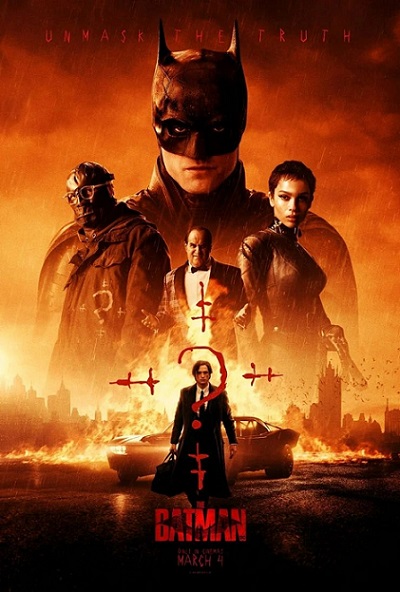
Direção: Matt Reeves
Roteiro: Matt Reeves e Peter Craig, baseados no personagem criado por Bill Finger e Bob Kane
Elenco: Robert Pattinson, Jeffrey Wright, Paul Dano, Zoë Kravitz, Colin Farrell, John Turturro, Andy Serkis, Peter Sarsgaard, Barry Keoghan, Max Carver, Charlie Carver, Rupert Penry-Jones, Alex Ferns, Jayme Lawson
The Batman, EUA, 2022, Ação, 175 minutos
Sinopse: Com apenas alguns aliados de confiança entre a rede corrupta de funcionários e figuras importantes da cidade, Batman (Robert Pattinson) se estabeleceu como a única personificação da vingança em Gotham City. Mas, em uma de suas investigações, acaba envolvendo o Comissário Gordon e ele mesmo em um jogo de gato e rato ao investigar uma série de maquinações sádicas e trilhas de pistas enigmáticas arquitetadas por Charada (Paul Dano). A investigação o leva a descobrir uma onda de corrupção que envolve até mesmo o nome de sua família, pondo em risco sua própria integridade e as memórias que tinha sobre seu pai, Thomas Wayne.

Há determinados super-heróis que sobrevivem aos anos e que, levando em consideração o atual cenário, parecem fadados a receber incontáveis releituras de tempos em tempos. É o caso de Batman, que já foi gótico, estapafúrdio, realista e um mero caça-níquel. De Adam West a Ben Affleck, incluindo até mesmo uma versão em LEGO dublada por Will Arnett, o Homem-Morcego já foi interpretado no cinema por quase uma dezena de atores e dirigido por cineastas dos mais variados estilos, o que sempre me leva à seguinte pergunta toda vez que leio a notícia de que teremos um novo projeto do herói: ainda há algo de realmente novo a ser dito sobre o mascarado de Gotham City?
A resposta, na verdade, nunca será definitiva, pois ela varia em relevância de espectador para espectador. Os fãs com certeza dirão que, sim, sempre dá para explorar novos prismas de um personagem tão versátil e repleto de materiais de origem quanto Batman. Já quem não tem muito afinidade com o mundo dos quadrinhos ou dos super-heróis leva outros elementos em consideração: aqueles mais cinematográficos, oxigenados e experimentais. Como fico no segundo caso, fui para a sessão de Batman sem muitos estímulos, não só porque a péssima fase estrelada por Ben Affleck ainda é muito fresca na memória, mas também porque, ao fim da projeção, o filme de Matt Reeves me pareceu menos revolucionário do que apontam as comovidas e já esperadas reações ao resultado.
Por mais que Reeves, um sólido realizador de blockbusters, como os dois últimos Planeta dos Macacos, apresente aqui a sua visão muito própria do super-herói, não deixa de existir aquele déjà-vu de estarmos vendo de novo a introdução de um novo Batman, de uma nova Mulher-Gato, de um novo Charada, de um novo Pinguim, etc. Os eternos recomeços de franquias terminam por banalizar bastante a experiência com certos universos, e foi exatamente assim que me senti durante boa parte desta versão estrelada por Robert Pattinson. O público que consegue apertar o reset junto, realmente o faz sem concessões, pois é até estranho constatar como são amplamente elogiadas e até tidas como inovadoras algumas características de Batman que já davam as caras, de um jeito ou de outro, em versões anteriores.
Não é desmerecer as escolhas feitas por Reeves, que, como um todo, aproveitam as melhores facetas dos protagonistas, e sim refrescar a memória: tratar, por exemplo, o tom realista, a Gotham sombria e a atenção aos personagens em substituição à ação desenfreada como epifanias é basicamente esquecer o que Christopher Nolan fez, principalmente, em Batman Begins e em Batman: O Cavaleiro das Trevas. Sendo mais específico ainda: como é possível festejar a tensão física/sensual entre Batman (Robert Pattinson) e Selina Kyle (Zoë Kravitz) sem lembrar de tudo o que Michelle Pfeiffer fez como Mulher-Gato, ainda que em um projeto com tons diferentes dos abordados aqui? Reeves fez certo em abraçar tudo isso, mas, ao contrário do que sugere a polvorosa mundial, ele não inventou a roda.
A fonte de inspiração de Batman é, claro, filmes de David Fincher como Se7en e Zodíaco no que tange o tom investigativo e, por que não, a imensa duração de quase três horas. Um pouco de sutileza na reverência não faria mal ao resultado, ainda que tais referências tragam surpresas bastante agradáveis a esse reboot. Reeves é feliz, entre outras coisas, ao não explorar pela milésima vez o assassinato dos pais de Bruce Wayne e na total supressão de elementos cartunescos, permitindo que personagens como Pinguim (Colin Farell) tenham seus pés bem firmados no mundo real. Quando vê Gotham City pela ótica da investigação, dos personagens e dos demônios internos do protagonista, Batman inevitavelmente se torna mais envolvente do ponto de vista emocional.
Se o filme segue a nova moda de tornar todo blockbuster o mais escuro possível para imediatamente trazer seriedade ao visual, como se filmes de cores vibrantes ou saturadas como Mad Max: Estrada da Fúria não o fossem, por outro lado, o background dado a alguns personagens atenua essa prática visual. A melancolia do Bruce Wayne de Robert Pattinson, que, passa pelo menos dois terços do filme com o rosto mascarado, casa perfeitamente com as sombras de Gotham. O mesmo se aplica para Zoë Kravitz, cuja personagem tem boas motivações em jogo e é um excelente complemento a essa visão desesperançosa do protagonista para uma cidade nada convidativa.
Ainda na zona dos atores, Batman sabe a importância de trazer bons nomes para o projeto e dar o devido destaque a cada um deles. Nem todos personagens são essenciais à trama, o que não diminui o prazer de ver um filme de tamanha dimensão compreendendo que nomes como Paul Dano, Jeffrey Wright, Peter Sarsgaard, entre outros, não devem estar em cena apenas como curiosidade ou participações especiais. Batman é um trabalho de elenco, mesmo que Reeves, aqui e ali, não resista em dar a possibilidade para que um ou outro ator tenha sua cena isolada de brilho em detrimento do roteiro, especialmente no caso de Paul Dano, que, se não fosse o ator maravilhoso que é, teria transformado sua primeira cena frente a frente com Robert Pattinson em uma egotrip impulsionada pela vontade do longa em ecoar a vibe Coringa de Heath Ledger e Joaquin Phoenix.
Após as bobeiras dos filmes estrelados por Ben Affleck, a DC estava precisando de um filme como Batman, que pende mais para o realismo das obras de Christopher Nolan do que para o entretenimento sem muito compromisso com a qualidade. Se Reeves partiu de um briefing como esse, a modelagem está bem evidente na tela. Da fabulosa trilha de Michael Giacchino que remete ao trabalho de Hans Zimmer e James Newton Howard na trilogia de Nolan a um conceito de ação menos fantasioso, Batman reverenciando elementos marcantes de alguns dos melhores tempos do Homem-Morcego. Paralelamente, contudo, fica a sensação de uma renovação que não divide tantas águas assim. Para um primeiro filme, o resultado é mais do que satisfatório. Agora, colocá-lo à altura de clássicos noir e de diretores consagrados como William Friedkin… Aí já é outra história. Precisamos ver o que Reeves fará daqui em diante para realmente entender o que pode ser considerado como real renovação ou não.
 Cinema e Argumento