
Rapidamente: “O Auto da Compadecida 2”, “Como Ganhar Milhões Antes Que a Avó Morra”, “Jurado Nº 2” e “Lee”

O AUTO DA COMPADECIDA 2 (idem, 2024, de Guel Arraes e Flávia Lacerda): Na atrasada esteira em que o cinema brasileiro entrou de fazer continuações de produções célebres da sua filmografia, O Auto da Compadecida 2 é outro caso frequente de sequências que, nem de longe, conseguem fazer um raio cair duas vezes no mesmo lugar. Minha primeira grande decepção foi constatar que o filme abandona as locações paraibanas do original para ser rodado inteiramente em estúdio. Além de conferir uma estética muito superficial ao resultado, a opção apequena a mitologia em torno O Auto da Compadecida como um todo, seja ela a audiovisual ou a do espírito de Ariano Suassuna. Por sinal, as palavras do autor fazem falta. O que temos agora é a dupla Guel Arraes e João Falcão (com colaboração de Jorge Furtado e Adriana Falcão) criando algo original, em tom de reverência à obra do nordestino. Ainda que o esforço seja nobre, a continuação praticamente não avança em ideias e se limita à tentativa de recriar tipos e situações. Entretanto, Suassuna é Suassuna: único — e, portanto, impossível de ser emulado. Como João Grilo e Chicó, Matheus Nachtergaele e Selton Mello conseguem evocar a aura da produção anterior, que, no frigir dos ovos, parece revisitada como um especial de final de ano feito no Projac para exibição na TV, com, aliás, direito a merchandinsing do Chopp Brahma e tudo.
COMO GANHAR MILHÕES ANTES QUE A AVÓ MORRA (Lahn Mah, 2024, de Pat Boonnitipat): Quase caí para trás quando descobri que Usa Semkhum, matriarca-título de Como Ganhar Milhões Antes Que a Avó Morra, nunca atuou e é apenas uma dona-de-casa de 78 anos em seu primeiro papel. Essa tocante produção tailandesa conta a história de um jovem que vê a oportunidade de conquistar a preferência da avó doente e, assim, ficar no topo do testamento a ser deixado por ela. Cômico, gracioso e emocionante na mesma medida, o longa examina os diferentes prismas dos laços familiares e como a construção do afeto (ou a falta dela) se dá ao longo de uma vida. O diretor Pat Boonnitipat também faz sua estreia aqui – antes, ele havia dirigido apenas alguns episódios para três séries na Tailândia — e acerta especialmente no tratamento do (melo)drama dos personagens. Não deixa de ser uma tarefa complexa tanto porque a história poderia cair em lágrimas baratas quanto porque seria fácil ver o roteiro, escrito por Boonnitipat com Thodsapon Thiptinnakorn, destrinchando uma série de lições de moral. Em suma, Como Ganhar Milhões Antes Que a Avó Morra é um filme simples, de poucas ambições, mas genuíno em todo o seu DNA, o que torna certeiras as investidas diretas do filme para emocionar a plateia. Usa Semkhum brilha como a avó, transmitindo a graça, a delicadeza e as pequenas sabedorias de uma mulher nunca tratada de modo condescendente pelo texto. Como Ganhar Milhões Antes Que a Avó Morra se conectou tanto com o público que se tornou um verdadeiro hit nas bilheterias tailandesas, a ponto de conquistar o título de filme mais visto do ano no país. Aclamação merecida para uma obra irresistível e de grandes emoções.
JURADO Nº 2 (Juror #2, 2024, de Clint Eastwood): Aos 94 anos, Clint Eastwood pode muito bem ser o último cineasta veterano capaz de trabalhar uma narrativa clássica com vigor e rigor, oferecendo insights sobre temas importantes que apenas a experiência é capaz de produzir. Nem sempre Eastwood acerta — filmes como Sully, Sniper Americano, J. Edgar e Além da Vida, para citar alguns dos mais recentes, são medianos para baixo —, mas Jurado Nº 2, lançado diretamente em streaming aqui no Brasil e em circuito limitadíssimo nos Estados Unidos, mostra como ele segue perspicaz na escolha dos roteiros que deseja filmar. Dessa vez, seu interesse recai sobre a ética, a moralidade e a justiça, refletidas a partir de um ângulo instigante: o de quem somos quando ninguém está olhando ou percebendo. Para tanto, Jurado Nº 2 se vale da narrativa de tribunal, escrita, surpreendentemente, por Jonathan A. Abrams, um estreante. Eastwood não se preocupa em inventar a roda, mas, sim, em conduzir com maturidade uma trama cujos caminhos são difíceis de prever e que, a todo momento, colocam em xeque a crença de seus personagens, seja a do protagonista vivido por Nicholas Hoult ou a de coadjuvantes-chave, como a promotora de Toni Collette. O longa resiste a todas as tentações de sensacionalizar os temas em discussão, suprimindo o uso de qualquer ferramenta que possa interferir no posicionamento do espectador — a trilha sonora, por exemplo, é usada muito discretamente, bem como a exploração de detalhes envolvendo os bastidores de trabalho da acusação e da defesa. Com elegância, o conjunto de escolhas culmina em um desfecho maduro, sem discursos prontos e que convoca quem está assistindo a tirar suas próprias conclusões.
LEE (idem, 2024, de Ellen Kuras): Kate Winslet se jogou de corpo e alma em Lee, cinebiografia da fotojornalista de guerra Lee Miller, que, entre diversos cliques históricos, chegou a fazer um registro dentro da banheira de ninguém menos que Adolf Hitler! Sua atuação atrás das câmeras como produtora é um atestado: Winslet chegou a pagar semanas de trabalho da equipe com dinheiro do próprio bolso. Acontece que boas intenções não chegam a lugar algum se a direção não está à altura. Indicada ao Oscar de melhor documentário em 2009 com The Betrayal, Ellen Kuras fez uma prolífera carreira na TV após esse reconhecimento (Ozark, The Umbrella Academy e Inventing Anna estão entre alguns de seus trabalhos), e só agora volta a dirigir um longa-metragem, com resultados decepcionantes. Se o roteiro escrito a seis mãos por Liz Hannah, John Collee e Marion Hume abarca uma série de temas impactantes, como a violência contra mulheres, o pioneirismo de Miller no fotojornalismo e os próprios horrores inerentes à Segunda Guerra Mundial, Kuras, inexplicavelmente, não consegue traduzir a urgência ou sequer a emoção de cada um deles em imagens. Lee é um filme esvaziado e plano, em que o envolvimento com personagens e situações inexiste. A protagonista, uma figura deveras interessante, está limitada às formalidades desse tipo de filme — ou não é mais do que batido o formato em que alguém, já envelhecido, dá entrevista contando sobre a sua vida enquanto o filme ilustra a narrativa com idas e vindas no tempo? No entanto, talvez esse seja o menor dos problemas para um longa que insiste em desperdiçar as potencialidades da história de uma mulher cuja trajetória oferece, por si só, todas as cartas para um excelente relato.
“O Aprendiz” é recorte muito bem calibrado de como Donald Trump moldou sua maneira de agir no mundo
Admit nothing, deny everything.

Direção: Ali Abbasi
Roteiro: Gabriel Sherman
Elenco: Sebastian Stan, Jeremy Strong, Maria Bakalova, Martin Donovan, Catherine McNally, Charlie Carrick, Ben Sullivan, Mark Rendall, Joe Pingue, Ron Lea, Edie Inksetter, Matt Baram, Moni Ogunsuyi
The Apprentice, Canadá/Dinamarca/Irlanda, 2024, Drama, 122 minutos
Sinopse: O jovem Donald Trump (Sebastian Stan), ansioso para fazer seu nome como o ambicioso segundo filho de uma família rica na Nova York dos anos 1970, cai sob o feitiço do implacável advogado Roy Cohn (Jeremy Strong).
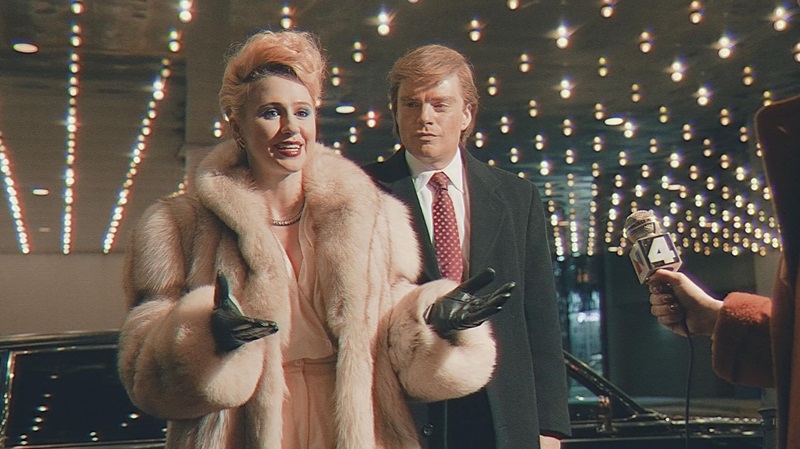
Donald Trump (Sebastian Stan) se orgulha de, em certa medida, ter domado Ivana (Maria Bakalova), sua esposa que, durante muito tempo, antes do matrimônio, resistiu às insistentes investidas do hoje ex-presidente dos Estados Unidos. Ainda que tenha preservado boa parte de sua forte personalidade após o matrimônio, ela acaba se tornando, como tudo na vida do empresário, uma mera conquista. “Ao menos consegui que ela colocasse silicone”, diz ele, quando perguntado sobre sua relação com Ivana. Silicone esse que, tempos depois, em outra cena, ele desprezaria, dizendo que não sente mais atração pela esposa, inclusive por seus “seios de plástico”.
A relação específica entre os dois é a perfeita representação de como Trump encara o mundo: tudo e qualquer coisa são apenas uma conquista, um jogo, uma queda de braço. E O Aprendiz, do diretor iraniano Ali Abbasi, incorpora sua perspectiva torpe e egocêntrica diante do mundo para narrar a sua ascensão no mercado imobiliário de Nova York em meados dos anos 1970, começando pela construção da ambiciosa Trump Tower até os vários cassinos inaugurados por ele após uma série de sucessivas conquistas. Não se trata de um longa sobre o corrompimento de um iniciante ou da tentativa de humanização de um homem conhecido por seus absurdos, mas pura e simplesmente de imaginar a vida de Trump a partir da sua própria maneira de ver as coisas.
É importante ressaltar isso porque ao menos metade de O Aprendiz, assim como o seu próprio título, reside no período em que o personagem se vê às voltas com Roy Cohn (Jeremy Strong), polêmico advogado que apadrinhou Trump e lhe mostrou todos os caminhos vis e escusos para se vencer na vida. O jovem protagonista aprende com Cohn, entre outras coisas, que nunca se deve admitir derrota e que parte da vitória está no ato de intimidar e ameaçar, sem se importar com que os outros pensam. Ajustados ou não para fins dramáticos, conforme os letreiros iniciais anunciam, todos os momentos são fidelíssimos a Trump como viemos a conhecê-lo na vida pública.
Sua essência está inteirinha ali, e não é difícil imaginar que ele realmente teria certas reações na vida privada, como quando, discutindo com Ivana, ele perde por completo o controle ao ouvir da esposa que seus cabelos estão caindo. O Aprendiz mostra que, para Trump, tudo é sobre Trump — seu nome está no ambicioso hotel a ser construído ou, então, nas abotoaduras de diamantes presenteadas a Roy Cohn — e que nunca há palavra mais importante que sua, inclusive diante de decisões médicas. Trata-se de uma realidade alternativa, onde, para ele, a verdade se torna flexível. É uma escalada que o filme delineia com habilidade, tornando perfeitamente compreensível o engrandecimento do aprendiz para cima de Cohn, criador que acaba engolido por sua própria criação.
O roteiro de Gabriel Sherman cerca o personagem de pessoas que testemunham essa transformação e, em situações mais críticas, contrapõem-se ao seu comportamento, o que é importante para que O Aprendiz não perca de vista os desvios de um homem desde cedo tomado pelo ego e pela ideia de que não existem leis, mas sim negociações para qualquer assunto ou problema. Mesmo a difícil relação com o pai não cai em estereótipos, pois Trump jamais sucumbe ou se vitimiza diante da figura do pai — pelo contrário, quase faz coisas como se quisesse dar um troco em seu progenitor e mostrar como suas escolhas são melhores que a dele.
Abbasi compõe uma estética eficiente para emoldurar O Aprendiz. Além da atmosfera setentista e granulada, a câmera captura tudo com um tom documental, como se estivesse ali de forma intrusiva, lançando luz sobre reações que não veríamos em um registro tradicional, bem ao estilo do seriado Sucession. Isso é prato cheio, claro, para as performances. Na pele de Trump, Sebastian Stan alcança um equilíbrio raro, emulando tiques e trejeitos (vale reparar nos movimentos da boca, iguais ao do biografado) sem deixar o mimetismo se tornar uma muleta de interpretação. Pelo contrário: sua versão do ex-presidente é crível e instigante. Tão bom quanto é o trabalho de Jeremy Strong como Roy Cohn, que cria uma figura incômoda em diversas frentes, da índole predadora ao desmoronamento físico e emocional (e a cena de seu último aniversário é uma das melhores do filme).
Na sequência final, encontramos o protagonista concedendo um depoimento ao jornalista que está prestes a escrever sua biografia. Trump, por estar pagando a realização do projeto, escolhe o que omitir ou priorizar. Para tanto, destila posicionamentos, um deles, curiosamente, sendo o de que governar é para perdedores e de que, mesmo amando negociar, jamais entraria na política. Entre as contradições e as ambições expostas ali, O Aprendiz termina com esse homem em pé, do alto do seu escritório envidraçado, olhando para uma bandeira dos Estados Unidos no horizonte. Não há mais nada a ser contado — sabemos muito bem, a partir dali, mais do que o futuro reservava à Trump. Sabemos, acima de tudo, o que o mundo, dividido, acompanharia com doses esquizofrênicas de horror ou idolatria.
Destes filmes não se leva nada: “Silvio” e “Maníaco do Parque” são duas das piores experiências do ano
É triste afirmar, mas dois dos piores filmes de 2024 são oriundos do cinema brasileiro. Silvio, de Marcelo Antunez, e Maníaco do Parque, de Maurício Eça, não apenas fazem má dramatização de personagens e circunstâncias — na verdade, ambos já começam errando na própria concepção de ideias e nos pontos de vista adotados para suas histórias. Curiosamente, também são obras frouxas — para se dizer o mínimo — na parte técnica, com menção honrosa para Silvio, que nem de longe parece ter custado quase sete milhões de reais para ser produzido. Mas vou me debruçar sobre os dois longas para dar uma dimensão maior do acúmulo de problemas.

“Silvio”, de Marcelo Antunez
Começo pela cinebiografia de Silvio Santos por questão cronológica. O filme chegou aos cinemas brasileiros no último dia 12 de setembro, pouco menos de um mês após a morte do comunicador, reconhecidamente o mais célebre e reverenciado a já ter passado pela TV do nosso país. Contudo, nem mesmo a comoção nacional com a despedida de Silvio despertou interesse pelo filme, que fez sua estreia na oitava posição semanal das bilheterias brasileiras, vendendo míseros 51,3 mil ingressos. A tragédia era anunciada: não só o próprio SBT rejeitou qualquer chancela para o projeto (o nome da emissora sequer é citado ou ilustrado no longa) como tudo já havia virado piada logo no lançamento do primeiro trailer.
Nem bem Silvio começa e tudo vem a se confirmar, da incompreensível escalação de Rodrigo Faro para interpretar Silvio Santos ao paupérrimo trabalho de maquiagem. Ainda assim, a mais grave das falhas é anterior, no caso, o roteiro escrito pela dupla Anderson Almeida e Newton Cannito, que adotou como ponto de partida o famoso sequestro do apresentador em 30 de agosto de 2001. É sob a ameaça do revólver do sequestrador que o protagonista, então, relembra momentos cruciais da sua vida, o que, por si só, já é de péssimo gosto — afinal, como alguém pode ter cogitado, entre tantos momentos emblemáticos da carreira de Silvio, que esse seria o recorte mais interessante para reverenciar as lembranças do comunicador?
Estruturalmente, a escolha também é problemática, pois falta verossimilhança às passagens em que Silvio Santos rememora sua vida. Elas são introduzidas por meio de discursos prontos, quando o protagonista, agindo como se fosse um coach, tenta colocar algum juízo na cabeça do sequestrador ou se aproxima dele buscando o ser humano por trás daquela situação crítica. Tudo é motivo para Silvio interromper a conversa e contar histórias em tom autoindulgente, com flashbacks que não revelam nada que já não tenhamos visto em incontáveis reportagens e especiais sobre o apresentador. Além disso, as voltas no tempo são pueris, empenhadas demais em edificar qualidades e acentuar problemas para trazer complexidade a um protagonista unidimensional mesmo.
Nada se vê do processo criativo de Silvio Santos como gestor de um veículo de comunicação ou de sua verdadeira influência como um grande nome da TV — os flashbacks de Silvio em frente às câmeras nada mais são do que passagens rapidíssimas com Rodrigo Faro jogando sozinho aviõezinhos de dinheiro para o nada ou revelando a resposta certa de alguma charada a ser desvendada pelos telespectadores. É curioso como o longa deixa de lado as proezas de Silvio como apresentador para, no final, valer-se justamente dessas conquistas nos créditos finais, quando menciona o ano em que, pela primeira vez, o SBT ultrapassou a Rede Globo no ibope com os programas Casa dos Artistas e Show do Milhão.
O caos fica ainda mais tumultuado quando Silvio se propõe a ser um filme policial. Paralelo às lições de vida que o personagem tenta entubar em seu sequestrador, vemos toda a mobilização da polícia e das autoridades de São Paulo para resolver um problema de dimensão nacional. Do sniper que deseja a todo custo abater o homem que tem Silvio Santos como refém ao próprio governador em conflito sobre até que ponto se envolver na operação, vemos todas as engrenagens se movimentando para criar uma atmosfera de tensão, mas falta urgência, verdade e verossimilhança. Principalmente porque, podem ter certeza, o que menos quero ver em um filme sobre Silvio Santos é dramatização policial, seja em diálogos ou em cena mal coreografada de perseguição e tiroteio.
E há tudo aquilo que fez Silvio virar uma piada desde o seu primeiro trailer. Poucos mistérios são tão intrigantes quanto a escalação de Rodrigo Faro para interpretar o eterno Senor Abravanel. Faro não só nunca foi referência alguma em atuação (e, para um papel dessa magnitude, o mínimo que poderíamos esperar era alguém à altura do desafio) como já estava afastado do ofício há mais de 15 anos, o que está evidente em cena, uma vez que ele não consegue encontrar o equilíbrio entre reproduzir os trejeitos do apresentador e se esquivar de muletas óbvias para construir o papel. Sua personificação de Silvio Santos é inócua, apática e com problemas potencializados pela maquiagem amadora e pouco elaborada, para não nos prolongarmos mais no tópico.
Originalmente intitulado Silvio Santos – O Sequestro, o longa já estava pronto desde 2019 e foi várias vezes adiado, incluindo um longo período de anos sem qualquer novidade sobre sua distribuição. O silêncio se quebrou em abril deste ano, com o lançamento do trailer. É claro que há muitos fatores que definem o adiamento de um filme, ainda mais quando vivemos em um país com problemas crônicos neste no mercado e em um mundo que ficou de pernas para o ar com a pandemia da Covid-19. Entretanto, neste caso, gosto de acreditar que, secretamente, os envolvidos nunca souberam mesmo o que fazer com o filme, como se estivessem envergonhados desde o primeiro momento em conferiram o resultado final. Ainda bem que Silvio Santos não viveu para ver.

“Maníaco do Parque”, de Mauricio Eça
Francisco de Assis Pereira, o Maníaco do Parque, foi condenado, no início dos anos 2000, a mais de 280 anos de prisão pelo assassinato de 11 mulheres em São Paulo, ainda que tenha respondido judicialmente por apenas sete. Deve ser solto em agosto de 2028, pois, à época, apesar da sentença, o tempo máximo de cumprimento de pena no Brasil é de 30 anos. A lembrança dos horrores cometidos por ele volta à tona agora com Maníaco do Parque, uma produção original do Prime Video lançada no dia 18 de outubro e que, assim como Silvio, comete todos os deslizes possíveis, dessa vez com o agravante de ter uma história cercada por temas delicados em inúmeras frentes.
A direção de Maníaco do Parque fica a cargo de Mauricio Eça, um cineasta cujas credenciais não inspiram confiança — são seus os três filmes fraquíssimos e questionáveis sobre Suzane Von Richtofen, também originais Prime Video. Eça parece querer fazer carreira contando a história de assassinos brasileiros, ideia interessante caso a concepção de seus projetos não fossem tão amadoras ou rasteiras em cada leitura proposta. Se os longas sobre Richtofen já eram duvidosos na forma como radiografavam as camadas em torno de um célebre crime, Maníaco do Parque desce vários degraus e chega ao patamar do mau gosto.
O único aspecto nobre do filme é o desejo de não voltar a dar protagonismo ao personagem-título, perspectiva que vem senddo discutida nos últimos anos com o lançamento de produções como a minissérie Dahmer: Um Canibal Americano, realizada por Ryan Murphy para a Netflix. A decisão pode ser acertada, mas o roteiro escrito por L.G. Bayão adota uma manobra que funciona melhor na teoria do que na prática: a de ter como protagonista uma fictícia responsável por concentrar diversas discussões sociais, ideológicas e éticas envolvendo os crimes, a investigação e as abordagens envolvendo os crimes cometidos pelo Maníaco do Parque.
Acontece que a execução é medíocre. Pior: dá a sensação de que foi pensada para, antes do que qualquer coisa, lacrar em suas afirmações sobre feminicídio, sensacionalismo da imprensa e inércia da polícia. Falta o básico de dramaturgia no texto de Bayão, construído em cima de todas as caricaturas imagináveis. Constrange como Maníaco do Parque olha para os assassinatos a partir da ótica jornalística, conduzida pela personagem Helena (Giovanna Grigio), uma profissional fictícia do ramo e que, sem naturalidade nenhuma, encapsula dilemas com discursos prontos.
Tudo em volta da jornalista é puro estereótipo. Há, por exemplo,o colega mais experiente e egocêntrico vivido por Bruno Garcia que não aceita ser ofuscado pela nova colega. Ambos respondem a um chefe de redação (Marco Pigossi) que adora notícias “fortes” e polêmicas, visando o lucro do jornal. Também existe a irmã psiquiatra (Mel Lisboa) que surge para explicar com explícito didatismo, palavra por palavra, como funciona a mente de um psicopata, da neurofisiologia até o padrão dos comportamentos em sociedade. Para dar um toque pessoal, Bayão, por fim, coloca uma questão mal resolvida da protagonista com o pai recém-falecido, algo dispensável em um primeiríssimo tratamento de roteiro.
Além dessa essência afogada em traços televisivos (no pior sentido dessa comparação) e da péssima representação de dramas estereotipados, o roteiro acaba se afundando mesmo é na mentira. Uma coisa é você adotar liberdades criativas preservando a essência dos fatos, outra é fazer o que bem entender com uma realidade posta. Maníaco do Parque coloca nas mãos de Helena, uma personagem fictícia todo o desenrolar dos fatos e da investigação, como se ninguém mais tivesse cumprido papel algum na captura do serial killer. E, em nome da “atualização”, o filme dá à Helena a chance de estar frente a frente com o Maníaco, chamando-o de lixo e outras tantas coisas para deixar as intenções do projeto bem explícitas. Nada disso existiu, muito menos da maneira representada — e, ao meu ver, tanta imaginação acaba sendo, sim, sinônimo de mentira.
Criticando um sensacionalismo que ele próprio pratica, Maníaco do Parque se revela risível tanto no conteúdo quanto na forma. Caso pudéssemos, em uma realidade alternativa, relevar o roteiro e sua série de furos e fatos mal explicados, não haveria atenuante algum na imaginação de Maurício Eça como diretor. O longa inteiro é acima do tom, caricato, clichê e histriônico. A trilha sonora, seja a instrumental ou o compilado de canções, é um caso à parte: incessante, mal inserida e invasiva. O conjunto final se precariza a ponto de inclusive tolher um ótimo ator como Silvero Pereira, reduzido a maquiagem e a um personagem reativo, sem vida própria, muito menos bem contextualizado. Nessa atrasada onda de true crimes que tem tomado conta do audiovisual brasileiro, é bem provável que Maníaco do Parque seja o maior dos constrangimentos.
“O Que Só Sabemos Juntos” (e com o teatro humanamente ímpar de Denise Fraga)

Na sala de estar, um homem dança com a música em volume máximo. Sua mulher, prestes a entrar em uma call, pede para que ele diminua o som. Ofendido, o homem desliga a música e diz que está sendo privado de curtir o momento. Não é verdade. A mulher apenas pediu para que ele diminuísse o som, e não que ele o desligasse, mas é tarde demais, a discussão já começou. Entre tudo o que um diz ao outro a partir dali, descortinando silêncios, mágoas e frustrações, há um componente que, no final das contas, é a cura e a doença de qualquer relacionamento: a palavra, hoje tão mal usada, frequentemente tratada com descaso e, acima de tudo, pouco escutada.
E não é de hoje que Denise Fraga fala sobre polir palavras. Neste seu mais novo espetáculo chamado O Que Só Sabemos Juntos, em cartaz pelo Brasil desde o último mês de abril, ela, dividindo o palco com Tony Ramos, traz para o palco inquietudes do mundo moderno, a partir de uma proposta que ela diz ter assumido com ela própria: a de buscar textos e reflexões que lhe são caras e importantes do ponto de vista pessoal. Desde A Alma Boa de Setsuan (2008), passando por Galileu Galilei (2015), A Visita da Velha Senhora (2017) e Eu de Você (2020), a atriz se apropria de obras de autores como Bertold Brecht e Friedrich Dürrenmatt para, então, polir as palavras e entregá-las às plateias de formas que elas percebam como certas questões são atemporais e universais — e como a arte nos ajuda pelo menos a sofrer mais bonito e em comunhão.
O Que Só Sabemos Juntos é uma potencialização de Eu de Você, espetáculo em que Denise Fraga, a partir de cartas enviadas por pessoas desconhecidas, entrelaçava a vida comum com o teatro, a música e a literatura. Tinha Paulo Leminski, mas também Zezé di Camargo e Luciano. Ou, então, Beatles e Chico Buarque para, logo em seguida, apresentar a história de um menino rejeitado por sua homossexualidade. Lá, Denise já rompia a fronteira entre o popular e o erudito. E mais: apagava as linhas que separam o público sentado na plateia do ator que se apresenta no palco. Em muitos sentidos, O Que Só Sabemos Juntos bebe da fórmula de sucesso de Eu de Você: novamente sob a batuta do diretor Luiz Villaça e agora acompanhada da sensibilidade de Tony Ramos, Denise torna o espectador um personagem do espetáculo, mas sem jamais se repetir.
A escuta é o farol norteador do espetáculo. Antes mesmo de subirem ao palco, Denise e Tony transitam na plateia, recebendo o público e entrando em contato com suas histórias. Algumas delas, chegam ao palco, onde a dupla interpreta mil e um personagens. Ora são Denise Fraga e Tony Ramos mesmo, ora são um casal fictício. No próprio caráter autobiográfico do texto, eles se multiplicam: Tony, por vezes, não é o ator com 60 anos de carreira e cerca de 140 personagens na conta — ele é também, e talvez até mais, o Toninho de sua mãe, garoto que pedia dois cruzeiros para ver o Oscarito no cinema e que ia até a sessão saltitando com seus calçados na areia. E Denise se transforma na garotinha que andava de táxi com seu tio Fausto, a quem ela relembrava nas imagens de uma câmera Super 8 projetadas na sala de estar da casa de sua vó. Eles são muitos. E são todos nós.

O grande crítico de cinema Roger Ebert uma vez que escreveu que existe um paradoxo em filmes que são tão pessoais – ao invés de serem específicos, eles são, na verdade, universais, pois muitas das emoções e angústias compartilhadas pela humanidade são as mesmas. O Que Só Sabemos Juntos segue essa mesma lógica e é construído a partir de um desejo genuíno de ser uma conversa, e não algo erudito, ininteligível ou distante. O texto, por sinal, foi todo construído na sala de ensaio, sem estrutura prévia, compilando questões que Denise, Tony, Villaça e demais membros da equipe consideravam urgentes para esses nossos tempos. Só não valia uma coisa: ser didático. Missão cumprida na medida em que o espetáculo fala até sobre questões ambientais sem parecer algum tipo de panfletagem — pelo contrário, até nos dar o prazer de ver Tony Ramos declamando palavras do clássico Tio Vânia, de Chekov.
Parte da afetividade de O Que Só Sabemos Juntos ainda está na maneira como a memória é reverenciada, sejam a dos personagens em cena ou a da própria plateia, e como o texto nos propõe a olhar para o futuro e para, como bem ilustra o subtítulo de Tio Vânia, deixar algo aos que vierem depois de nós. A exemplo de Eu de Você e de tantos outros papeis de Denise, o espetáculo caminha no terreno fértil entre o drama e a comédia. Se a tal discussão do casal sobre baixar a música começa cômica, é questão de pouco tempo para que ela nos faça refletir sobre as dinâmicas espinhosas de um relacionamento e sobre o tratamento desrespeitoso e violento da sociedade para com as mulheres. Ao meu ver, o melhor momento da história contada. Trata-se de um mérito estendido, claro, ao diretor Luiz Villaça, em seu trabalho mais maduro nos palcos ao comandar uma peça de difícil definição, no melhor sentido da palavra — e, neste caso, por isso mesmo, tão instigante e diferente do que estamos habituados a ver.
Como um fã assumido de Denise e Villaça, digo que O Que Só Sabemos Juntos só poderia ter sido feito por eles, e por mais ninguém. Se, durante o tempo em que esperei para conferir o espetáculo desde sua estreia, fiquei me perguntando como ele não seria apenas uma versão 2.0 de Eu de Você, hoje me pego surpreendido com o resultado, que é comovente e humano em seu cerne, mas também de um exercício cênico inquieto, ao estilo do próprio texto. O prazer de ver Denise e Tony dançando, cantando, correndo, divertindo e emocionando obviamente salta aos olhos (e não teria como ser diferente, já que ela, em certo ponto, até solta a voz em um momento musical delicioso ao som da clássica I Will Survive), mas, para a nossa alegria e emoção, eles são parte de algo muito maior, algo coletivo e agregador. Algo que só existe com a presença do outro. Inclusive de nós próprios na plateia.
TIFF 2024, #11: “Bird”, “Flow”, “Nightbitch” e “Queer”
BIRD (idem, 2024, de Andrea Arnold): É o tipo de história que me comove e que a diretora Andrea Arnold (Cow, Docinho da América) aborda com melancolia e esperança: a de pessoas comuns sufocadas pelas dificuldades e pelo abandono da vida, mas que, mesmo assim, seguem em frente, quem sabe encontrando algum tipo de pertencimento. Neste caso, a protagonista Bailey (Nykiya Adams, uma revelação) procura, em outros lugares, a atenção que não recebe em casa do pai e do irmão. Lá pelas tantas, encontra Bird (Franz Rogowski), que também vive solitário em uma busca pessoal. Não demora para que Bailey e Bird passem a se reconhecer em suas ausências e lacunas, algo que Arnold explora com muita delicadeza. Por vezes, o longa tateia várias questões e tons sem necessariamente conseguir abordar todos com a devida unidade, mas Arnold conhece bem seus personagens e dilemas, tornando tocante os momentos mais simples, como aquele em que em que um grupo de homens embriagados canta Yellow, do Coldplay. Entre estranhezas e sinceridades, Bird é maduro na sua análise da juventude colidindo com a vida adulta. Contudo, tem seus melhores contornos quando adentra a generosidade entre Bailey e Bird. O próprio surrealismo empregado à maneira como a primeira eventualmente enxerga o segundo se constrói em cima de pura compaixão e esperança. Não por acaso, o filme termina com um otimismo agridoce que está, sim, impresso em palavras, mas que, em última instância, emociona mesmo é no silêncio e no quanto uma certa alegoria expõe um florescimento conquistado em cima de pequenas grandes batalhas.
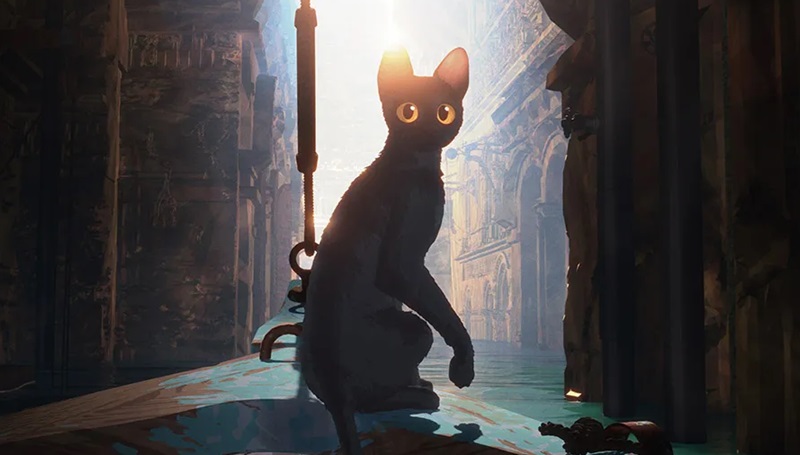
FLOW (idem, 2024, de Gints Zilbalodis): Enquanto o duo Disney-Pixar continua obcecado em produzir live actions e sequências de seus filmes mais queridos, uma produção independente como Flow é um verdaeiro frescor. Vinda da Letônia, a animação se concentra na jornada de um gato solitário em meio a uma grande inundação de traços pós-apocalípticos. Para sobreviver, ele precisa conviver com outras espécies, desafiando sua convivência com as diferenças em todos os sentidos. De visuais que a revista Rolling Stone categorizou como muito semelhantes a de jogos de videogame como Zelda, Flow encontra beleza ao fugir do hiper-realismo cada vez mais desejado por grandes estúdios em suas técnicas de animação. O diretor Gints Zilbalodis prioriza outras que fazem toda a diferença, como a de não antropomorfizar os personagens. Gatos são apenas gatos. Cachorros são apenas cachorros. E eles se comportam como tais. Sem diálogos, Flow, portanto, explora a dinâmica dos animais a partir de suas características específicas, o que torna tudo instigante, principalmente porque gatos são seres tão curiosos quanto desconfiados, receita perfeita para esse mundo desconhecido em que o filme se passa. Zilbalodis, que escreve o roteiro ao lado de Matiss Kaza, proporciona sequências sublimes e divertidas, a partir de uma trama que deixa de lado grandes aventuras para se focar em aspectos básicos de uma luta por sobrevivência. Sempre é possível contar uma mesma história a partir de outras perspectivas. Merecidamente, Flow teve sua estreia mundial na prestigiada mostra Un Certain Regard do último Festival de Cannes.
NIGHTBITCH (idem, 2024, de Marielle Heller): Menos “estranho” do que o esperado, Nightbitch traz Amy Adams em um tipo de papel que, por diversas vezes, me remedeu a Tully, de Jason Reitman, o que, no meu caso, é excelente sinal. Dando vida a uma mãe sem nome, Adams parte da perspectiva muito realista de que a maternidade está longe de ser um mar de rosas — na verdade, é um dos períodos mais desafiadores da vida de qualquer mulher. Só que Nightbitch trabalha essa temática com outros contornos na medida em que a personagem abraça gradativamente o comportamento instintivo e, vez ou outra, selvagem enraizado na maternidade, considerando a ideia de que talvez esteja se transformando em um cão. Com isso, claro, o longa começa a ganhar traços mais surrealistas, algo bem dosado pela diretora e roteirista Marielle Heller (Poderia Me Perdoar?, Um Lindo Dia na Vizinhança). O fato de Nightbitch ser um bom entretenimento com uma proposta, digamos, atípica é importante porque mostra como Heller tem grande habilidade ao não deixar que o filme se torne inconvincente nos paralelos traçados entre a maternidade e os instintos caninos, muito menos que exponha os envolvidos a representações constrangedoras. Ao mesmo tempo, por justamente não se arriscar tanto nas possibilidades mais fantasiosas da transformação da personagem, o resultado perde a oportunidade de alçar certos voos. A verve que, de certo modo, falta ao filme pelo menos é equilibrada pela presença de Amy Adams, que se diverte e aproveita um frescor que não tem sido lhe oferecido muita frequência em trabalhos recentes.
QUEER (idem, 2024, de Luca Guadagnino): O público que conhece apenas o Luca Guadagnino em função do hype de Me Chame Pelo Seu Nome e Rivais certamente sairá frustrado de Queer, o mais novo longa-metragem do diretor centrado em uma história de amor gay. Ambientado na Cidade do México dos anos 1940, o filme acompanha um expatriado americano que se apaixona por um homem muito mais jovem, embarcando em uma jornada de desejos reprimidos, vícios e a incomunicabilidade do amor. Queer, entretanto, é um dos trabalhos menos impactantes de Guadagnino, mesmo com uma performance marcante da carreira de Daniel Craig. O roteiro escrito por Justin Kuritzkes, com base no romônimo de William S. Burroughs, vai muito bem na primeira metade, quando se debruça em um minucioso estudo de protagonista e em como ele tem sua vida transformada pelo jovem Eugene (Drew Starkey). Inexplicavelmente, tudo vai por água abaixo a partir do momento em que Queer leva os personagens para a América do Sul em busca de ayahuasca. A viagem tira o filme de todos os eixos, inclusive do erotismo maduro e orgânico contruído até ali, pois Guadagnino entra demais nos efeitos alucinógenos e na loucura do vício. É uma estranheza que não tem efeito de imersão e que esvazia tudo o que Queer tinha de melhor, além de cometer o crime de desperdiçar uma grande atriz como Lesley Manville, ainda que ela, em um primeiro momento, reafirme a sua inegável versatilidade. Depois do empolgante Rivais, Guadagnino decepciona vertiginosamente.
 Cinema e Argumento