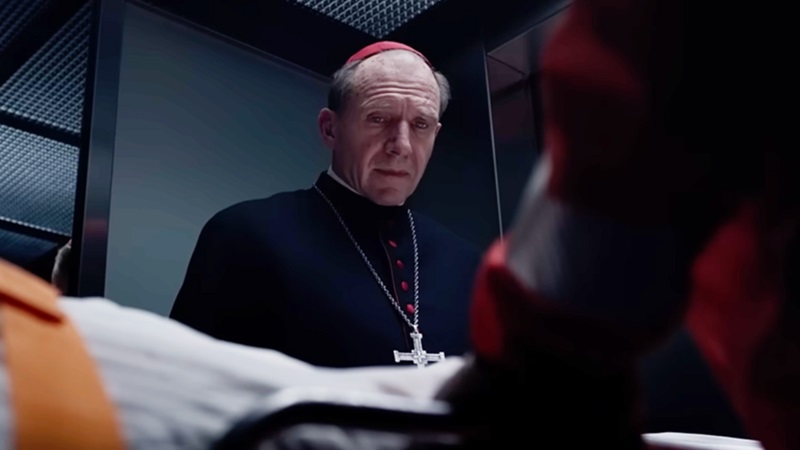
Há mais de oito séculos, a igreja católica escolhe o seu papa por meio de um ritual chamado conclave. Trata-se de uma eleição praticamente inalterada em regras e processos desde meados dos anos 1200, quando o Papa Gregório X usou pela primeira vez esse nome para definir o ritual. Atravessando eras e fatos históricos, o conclave, entretanto, ainda é uma formalidade cercada de mistérios, uma vez que segue sendo realizada a portas fechadas e com o máximo de sigilo. Em linhas gerais, o novo papa é eleito através de uma votação supostamente secreta entre os cardeais e deve ser citado por pelo menos dois terços das cédulas. A votação se repete até que o resultado seja alcançado, mesmo que ele demore apenas algumas horas ou até mais de dois anos para acontecer, como registrado nos conclaves mais curto e mais longo já registrados, respectivamente.
Particularmente, me escapa à memória alguma vez em que o cinema tenha investigado esse ritual de moto tão detalhado como em Conclave, novo filme do diretor alemão Edward Berger, amplamente reconhecido nos últimos anos com a nova versão que dirigiu de Nada de Novo Front, premiada com quatro Oscars, incluindo o de melhor filme internacional. Para imaginar o que acontece a portas fechadas no Vaticano durante a eleição do novo papa, Berger toma como base o best seller homônimo de Robert Harris, lançado em 2016. Transposto para o cinema, o texto se permite (re)criar conspirações, dilemas, dramas e até situações cômicas envolvendo a eleição papal, o que, ironicamente, acaba sendo o que não deixa Conclave alçar voos maiores diante de uma esmerada e suntuosa produção.
Assim como aconteceu em Nada de Novo no Front, o cineasta reúne um time talentosíssimo na criação técnica – e aqui podemos citar como exemplo desde alguns dos seus colaboradores frequentes, o compositor Volker Bertelmann, um mestre na criação de temas fortes e marcantes, ou novos que se juntam ao time, como Suzie Davis, que faz um trabalho imponente e requintado no design de produção. Conclave enche aos olhos, claro, pelo sofisticado trabalho coletivo, mas, principalmente, pela maneira como tecnicamente cria a atmosfera perfeita para que nós, fiquemos tão intrigados quanto deslumbrados com os cenários e rituais que a igreja católica tenta deixar longe do olhar público. A ostentação de tantas instalações grandiosas e figurinos meticulosos contribui para essa sensação de que há muita coisa acobertada — afinal, de onde uma instituição religiosa tira recursos para manter uma vida tão sofisticada e magnificamente emoldurada? Eis o mistério da fé.
No centro da trama está o cardeal Lawrence (Ralph Fiennes), a quem é confiada a missão de organizar e intermediar um novo conclave. Não exatamente um ingênuo, ele traz a perspectiva mais apropriada para o longa porque se dá ao benefício da dúvida quando precisa administrar o meio de campo entre outros cardeais cujas crenças oscilam entre o conservadorismo intolerante e à busca por igualdade que desafia séculos de posicionamentos problemáticos da igreja católica. Se a religião é o pano de fundo, Conclave, por outro lado, entende que ela nada mais é do que um jogo político, no final das contas. À medida em que descortina passado e presente dos mais cotados para o posto de papa, Lawrence passa a compreender que, como diz o liberal cardeal Bellini (Stanley Tucci), tudo não passa de uma guerra em que é impossível não tomar lado. E mais: entre descobertas e traições, ele ainda se depara com a quebra da sua expectativa de que há uma pessoa ideal para o cargo. Assim como na vida real, todos carregam consigo erros, histórias acobertadas e fragilidades a serem atacadas como em uma campanha política.
Conclave arma seu tabuleiro de xadrez com admirável habilidade, mas, talvez seguindo à risca o livro no qual se baseia, peca na construção de diversos momentos que movimentam a trama. Não é lá muito natural como o longa encena a sucessão de revelações que dará cabo de vários nomes favoritos à eleição. Se os próprios acontecimentos já parecem desenhados apenas para trazer reviravoltas ao invés de aprofundar os personagens, o humor pontual de certas passagens também tira bastante da urgência almejada pelo longa, reforçando a impressão de que, vez ou outra, derrubar um outro cardeal está mais para a brincadeira do que para a plausibilidade. Por sorte, como o grande ator que é, Ralph Fiennes dá um show ao navegar pelas constantes transformações de um homem em conflito com a fé e com ele próprio. Se Conclave cambaleia, ele está ali para abrilhantar o dia — e para nos lembrar que, apesar das fragilidades nas resoluções, o filme de Edward Berger envolve e entretém.
CONCLAVE REVIEW
For more than eight centuries, the Catholic Church has chosen its pope through a ritual called the conclave. This election process has remained practically unchanged in its rules and procedures since the mid-1200s, when Pope Gregory X first used the term to define the ritual. Spanning eras and historical events, the conclave remains a formality shrouded in mystery, as it continues to be conducted behind closed doors and with the utmost secrecy. In general, the new pope is elected through a supposedly secret ballot among the cardinals, and he must be mentioned on at least two-thirds of the ballots. Voting is repeated until a result is reached, whether it takes just a few hours or over two years, as was recorded in the shortest and longest conclaves in history, respectively.
I can’t recall any other film that has explored this ritual in such detail as Conclave, the new film by German director Edward Berger, who has gained widespread recognition in recent years for his adaptation of All Quiet on the Western Front, which won four Oscars, including Best International Feature Film. To imagine what happens behind the closed doors of the Vatican during the election of a new pope, Berger bases his film on Robert Harris’ 2016 bestseller of the same name. Adapted for the screen, the story indulges in (re)creating conspiracies, dilemmas, dramas, and even comic situations surrounding the papal election. Ironically, it’s this element that prevents Conclave from reaching greater heights, despite its meticulous and lavish production.
As with All Quiet on the Western Front, the director has assembled a highly talented technical team. Among them are frequent collaborators, such as composer Volker Bertelmann, a master of creating powerful and memorable themes, and new members like Suzie Davies, who delivers an imposing and refined production design. Conclave is visually striking, thanks to this sophisticated collective effort, but even more so because of how the film skillfully creates the perfect atmosphere for us to feel both intrigued and dazzled by the settings and rituals the Catholic Church strives to keep hidden from public view. The opulence of the grand sets and meticulous costumes adds to the sense that much is being covered up – after all, where does a religious institution find the resources to maintain such a sophisticated and magnificently framed lifestyle? This is the mystery of faith.
At the heart of the story is Cardinal Lawrence (Ralph Fiennes), who is entrusted with the task of organizing and mediating the new conclave. Not exactly naive, he provides the most appropriate perspective for the film, as he harbors doubts while trying to navigate between other cardinals, whose beliefs range from intolerant conservatism to a quest for equality that challenges centuries of problematic stances within the Catholic Church. Though religion serves as the backdrop, Conclave sees it as nothing more than a political game, in the end. As Lawrence uncovers the past and present of the top contenders for the papacy, he begins to understand, as the liberal Cardinal Bellini (Stanley Tucci) puts it, that it’s all just a war in which it’s impossible not to take sides. Moreover, through discoveries and betrayals, Lawrence is forced to confront the fact that there is no ideal candidate for the role. As in real life, everyone carries with them mistakes, hidden stories, and vulnerabilities to be attacked, much like in a political campaign.
Conclave sets its chessboard with admirable skill, but perhaps by sticking too closely to the book on which it’s based, it falters in the construction of several key plot points. The way the film stages the succession of revelations that eliminate several frontrunners in the election doesn’t feel entirely natural. The events seem designed more to create twists than to deepen the characters. Furthermore, the occasional humor in certain scenes detracts from the film’s sense of urgency, reinforcing the impression that, at times, taking down a cardinal feels more like a game than something believable. Fortunately, Ralph Fiennes, as the brilliant actor he is, shines as he navigates the constant transformations of a man in conflict with his faith and himself. If Conclave stumbles, Fiennes is there to elevate it – and to remind us that, despite some weaknesses in its resolutions, Edward Berger’s film is engaging and entertaining.
 Cinema e Argumento
Pingback: Os indicados ao BAFTA 2025 | Cinema e Argumento